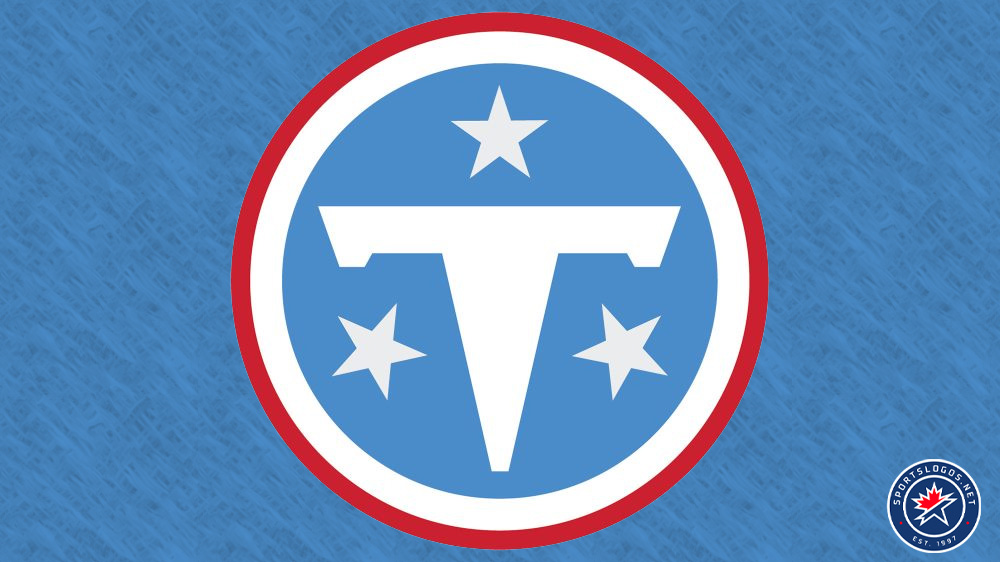
The 'New' Titans Logo: An Old Mark Found in Plain Sight Since 1999
The world of professional sports is no stranger to dramatic transformations, both on and off the field. For the Tennessee Titans, a franchise grappling with the aftermath of four consecutive losing seasons, including back-to-back 3-14 campaigns, the call for change has grown into an undeniable roar. This desire for a fresh start isn't just limited to the sidelines, where new head coach Robert Saleh is poised to implement his vision, but extends to the very identity of the team itself. Rumors of a significant rebrand, centered around a potential
Titans New Logo, have been circulating for months, culminating in a recent leak that ignited widespread debate and, surprisingly, revealed a deep historical connection.
The Unveiling: From Leaked Plush Toy to Social Media Frenzy
The initial glimpse of what many are now calling the
Titans New Logo arrived in an unexpected manner. Late one Friday evening, a single product listing on the Fanatics website, featuring a plush football, inadvertently showcased a redesigned emblem. The listing was swiftly removed, but not before eagle-eyed fans captured screenshots, sending shockwaves through social media.
At first glance, the leaked logo, with its distinct circular design, three stars, and a blade-like 'T', drew varied and often critical feedback. Some initial reactions likened it to something simplistic, perhaps even suggesting a lack of artistic flair. The transition from the more intricate, flame-adorned 'T' that fans had grown accustomed to seemed jarring to some, leading to lamentations about the Titans conforming to a perceived "minimalist era" in sports branding. Indeed, the immediate impression for many was one of disappointment, a sentiment reflected in numerous online discussions. For a deeper dive into these initial reactions, you can read more at
Titans' New Logo Leaks: Fan Reactions Mixed Amidst Major Rebrand.
However, as is often the case with initial leaks, context proved to be everything. Once artists and fans began creating mock-ups, visualizing the supposed new mark emblazoned on a helmet or jersey, opinions began to shift dramatically. The perceived simplicity transformed into sleek modernity, hinting at a cleaner, more contemporary aesthetic. This phenomenon underscores an important aspect of sports branding: a logo rarely stands alone; its true impact is often realized in its application across various merchandise and uniforms.
A Blast from the Past: Unearthing the Titans' 'New' Identity
Perhaps the most fascinating revelation surrounding the leaked
Titans New Logo isn't its contemporary appeal, but its surprising longevity within the franchise's own history. What everyone suddenly perceived as a brand-new design has, in fact, been quietly present in Titans spaces for decades. This isn't just a nod to historical influence; it's the actual mark that has existed in plain sight since August of 1999.
Investigative reporting following the leak quickly uncovered evidence of this emblem's longstanding presence. Sharp-eyed fans reviewing renderings of the New Nissan Stadium noticed the distinctive circular logo appearing there. More profoundly, an "old-timer" with connections to the team confirmed that this specific design graced the floor of the team's headquarters lobby in MetroCenter from the very beginning – August 1999, the year the franchise officially rebranded from the Oilers to the Titans.
While it has been a fixture for 25 years, the team apparently didn't consider it an "official mark" in the same vein as their primary flaming 'T' logo. It served a more practical purpose: a secondary, easier-to-reproduce mark often used when the intricate fireball tail of the main logo presented challenges in duplication or centering. This subtle distinction meant it frequently appeared in contexts where simplicity and clarity were paramount. For example, it was a prominent feature in the team's "22nd Element" fan attendance program, which launched in 2018, further embedding it into the team's fan engagement efforts without ever being heralded as a primary identifier. Sadly, when the team constructed a large second building on its campus between 2020 and 2021, the original lobby and its iconic floor disappeared, taking with it a physical link to this quietly enduring symbol.
This historical context adds a layer of depth to the "new" logo. It's not merely a departure from tradition; it's an elevation of an existing, yet understated, part of the team's visual heritage. This strategic choice allows the Titans to embrace a modern aesthetic while simultaneously rooting their brand in a history that dates back to their original Nashville identity.
More Than Just a Logo: The Broader Rebrand and Fan Hopes
The unveiling of the
Titans New Logo is merely one piece of a much larger puzzle. The Tennessee Titans are reportedly embarking on a comprehensive rebrand in 2026, a strategic move that encompasses far more than just a logo change. This holistic transformation began with a sweeping cleanout of the coaching staff, bringing in Robert Saleh to build his own vision for the team from the ground up. Player movement, starting with free agency, will further reshape the roster, signifying a complete organizational overhaul.
For any sports franchise, a rebrand is a critical undertaking. It’s an opportunity to signal a new era, inject renewed energy, and often, to psychologically distance the team from past struggles. For fans, it represents hope—hope for a winning culture, hope for a fresh identity, and hope for a future that aligns with their aspirations for the team. The timing of this rebrand, coinciding with significant personnel changes, amplifies its potential impact. It suggests a unified vision, from leadership down to the very uniforms players wear on game day.
A key element generating immense excitement among the fanbase is the potential return of specific color schemes. While the leaked logo itself received mixed reviews, the implied color palette has been met with near-universal acclaim. Speculation suggests a prominent comeback for the light blue – affectionately known as "Oilers blue" – potentially paired with more hints of red and classic white. This combination is not just a stylistic choice; it's a powerful homage to the franchise's roots in Houston and a colorway widely considered "undefeated" by many. This strategic embrace of historical colors could be a masterstroke, allowing the team to modernize its look while tapping into a deep well of nostalgia and fan loyalty. To understand why this color shift is so significant, check out
Titans' Leaked Logo: Fine, But Oilers Blue Signals a Home Run.
Analyzing the Design: Minimalism, Color, and the White Helmet Debate
Dissecting the specific elements of the
Titans New Logo, we observe a circular emblem housing three stars and the distinct blade-like 'T'. This design represents a clear move towards modern minimalism, a trend prevalent in many contemporary sports rebrands. While some mourn the loss of the fiery, more aggressive 'T' of the past, others appreciate the clean lines and versatility of the new mark. It’s a design that feels more adaptable to digital platforms, merchandise, and various branding applications, reflecting the evolving visual demands of the modern sports landscape.
However, the real "home run" in the eyes of many isn't the logo's silhouette, but the tantalizing prospect of its accompanying color scheme. If the leaked images are any indication, the return of the vibrant "Oilers blue" as a primary color, complemented by bold red accents and crisp white, is generating immense enthusiasm. This color combination is not only aesthetically pleasing but also resonates deeply with the franchise's heritage, connecting the modern Titans to their Houston Oilers lineage. It’s a colorway that embodies both a storied past and a bright, refreshed future, promising an unmistakable identity on the field.
Furthermore, the discussion around the new logo invariably leads to the highly anticipated uniform changes, particularly the helmet. The team's decision to switch to a navy helmet ahead of the 2019 season was met with considerable criticism and never truly resonated with the fanbase. Many felt it was a misstep, dulling the team's visual impact. The emergence of the new logo, especially when placed on mock-up white helmets, has sparked widespread calls for a return to white lids. The consensus is that a white helmet would not only complement the proposed new logo and color scheme perfectly but would also be an unequivocal "step in the right direction," signaling a complete visual reset for the franchise. The crispness of a white helmet, adorned with the clean lines of the new emblem and potentially vibrant Oilers blue details, promises a sharp, distinct, and memorable look that could truly define this new era for the Tennessee Titans.
Ultimately, the supposed
Titans New Logo serves as a potent symbol for a team desperately seeking to turn the page. It represents a fascinating interplay between innovation and tradition, a deliberate move towards a sleek, modern identity that paradoxically draws from the franchise's own long-held, albeit understated, history. As the official rebrand approaches, the excitement continues to build, demonstrating the profound power of branding in shaping perceptions, inspiring hope, and rallying the passionate fanbase of the Tennessee Titans.